
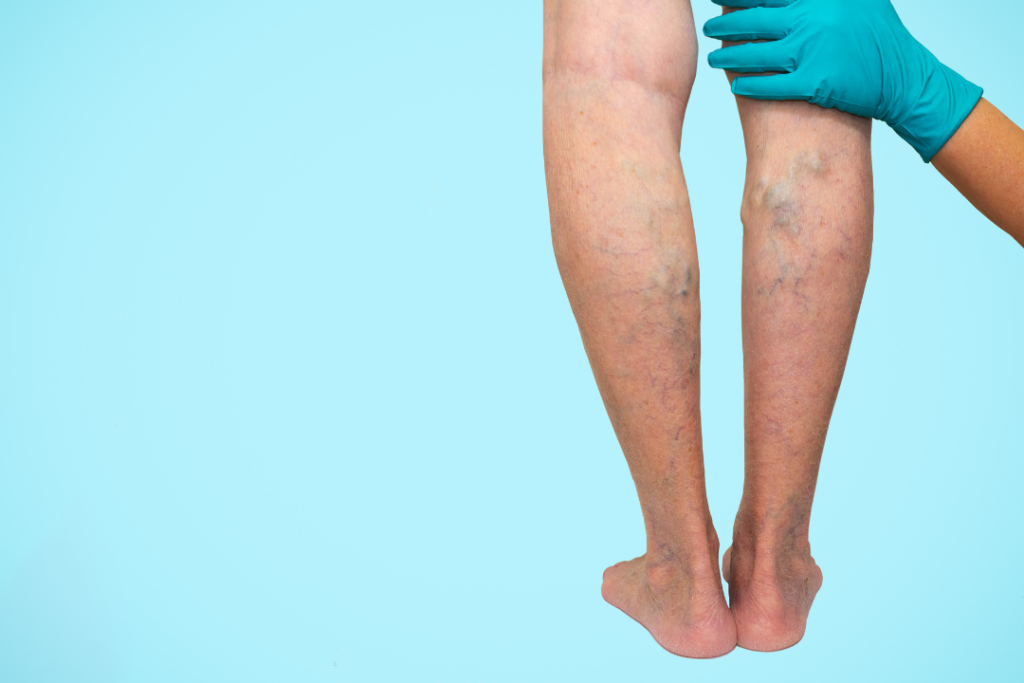
 Varicose veins are a common medical condition that affects millions of people worldwide. It occurs when the veins in the legs become swollen and twisted, making them visible through the skin. While varicose veins may not cause any serious health problems, they can be unsightly and cause discomfort. This is especially if they become severe. Cost for varicose vein treatment may be a factor for some people as well.
There are several ways to treat varicose veins, including lifestyle changes, compression stockings, and medical procedures. However, the cost of these treatments can vary significantly, depending on the type of treatment and the severity of the condition. In this blog post, we will discuss the different types of varicose vein treatments and their associated costs.
Lifestyle changes
In some cases, making lifestyle changes can help alleviate the symptoms of varicose veins. These changes may include exercising regularly, losing weight, avoiding prolonged periods of standing or sitting, and elevating the legs whenever possible. The cost of these changes is relatively low, and they can be done without the need for medical intervention.
Compression stockings
Compression stockings are a common non-invasive treatment for varicose veins. These stockings are designed to help improve blood flow in the legs and reduce swelling. They are available over-the-counter and can cost anywhere from $30 to $100, depending on the brand and style.
Sclerotherapy
Sclerotherapy is a medical procedure that involves injecting a solution directly into the affected veins. The solution irritates the lining of the veins, causing them to collapse and stick together. Over time, the treated veins are absorbed by the body, and blood flow is redirected to healthier veins. The cost of sclerotherapy can vary from $200 to $1,000 per session, depending on the number of veins being treated and the severity of the condition.
Endovenous Laser Treatment (EVLT)
Endovenous laser treatment (EVLT) is a minimally invasive procedure that uses a laser to heat and close off the affected veins. This treatment is usually done under local anesthesia, and patients can return to normal activities shortly after the procedure. The cost of EVLT can range from $1,500 to $3,000 per leg, depending on the severity of the condition.
Radiofrequency Ablation (RFA)
Radiofrequency ablation (RFA) is a similar procedure to EVLT, except that it uses radiofrequency energy to heat and close off the affected veins. This treatment is also minimally invasive and can be done under local anesthesia. The cost of RFA can range from $1,500 to $3,000 per leg, depending on the severity of the condition.
Surgical vein stripping
Surgical vein stripping is a traditional procedure for treating varicose veins. It involves making incisions in the leg and removing the affected veins through these incisions. This procedure requires general anesthesia and a longer recovery time than the other treatments mentioned above. The cost of surgical vein stripping can range from $3,000 to $7,000 per leg, depending on the severity of the condition.
Insurance coverage
When it comes to insurance coverage for varicose vein treatments, several factors come into play. Insurance coverage for varicose vein treatment may depend on the severity of the condition, the type of treatment needed, and the insurance policy itself.
In general, insurance companies are more likely to cover treatments that are deemed medically necessary, such as those needed to relieve pain or prevent complications. Cosmetic treatments, on the other hand, may not be covered by insurance.
Compression stockings are often the first line of treatment for varicose veins, and many insurance plans will cover the cost of these stockings. However, the coverage may depend on the severity of the condition and whether the stockings are deemed medically necessary.
Sclerotherapy, EVLT, and RFA are considered minimally invasive procedures and may be covered by insurance if they are deemed medically necessary. However, the coverage may also depend on the severity of the condition and the specific insurance plan.
Surgical vein stripping is a more invasive procedure, and insurance coverage may depend on the severity of the condition and the specific insurance plan. Some insurance plans may cover the cost of the procedure if it is deemed medically necessary. Others may consider it a cosmetic procedure and not cover the cost.
Location of treatment
In some cases, insurance coverage may also depend on whether the treatment is performed in a hospital or an outpatient facility. Outpatient facilities may be less expensive, but insurance coverage may vary depending on the specific insurance plan.
It is important to check with your insurance provider to determine what varicose vein treatments are covered by your plan. They will also tell you what your out-of-pocket costs may be. Your healthcare provider may also be able to provide guidance on insurance coverage and help you navigate the process.
In conclusion, the cost of varicose vein treatment can vary significantly, depending on the type of treatment and the severity of the condition. Lifestyle changes and compression stockings are low-cost options. Medical procedures such as sclerotherapy, EVLT, RFA, and surgical vein stripping can be more expensive. Consult with a healthcare professional to determine the most appropriate treatment plan for your individual needs and budget.